
How to Choose the Right Needles - A Beginner's Guide to Knitting with Jennifer Knits
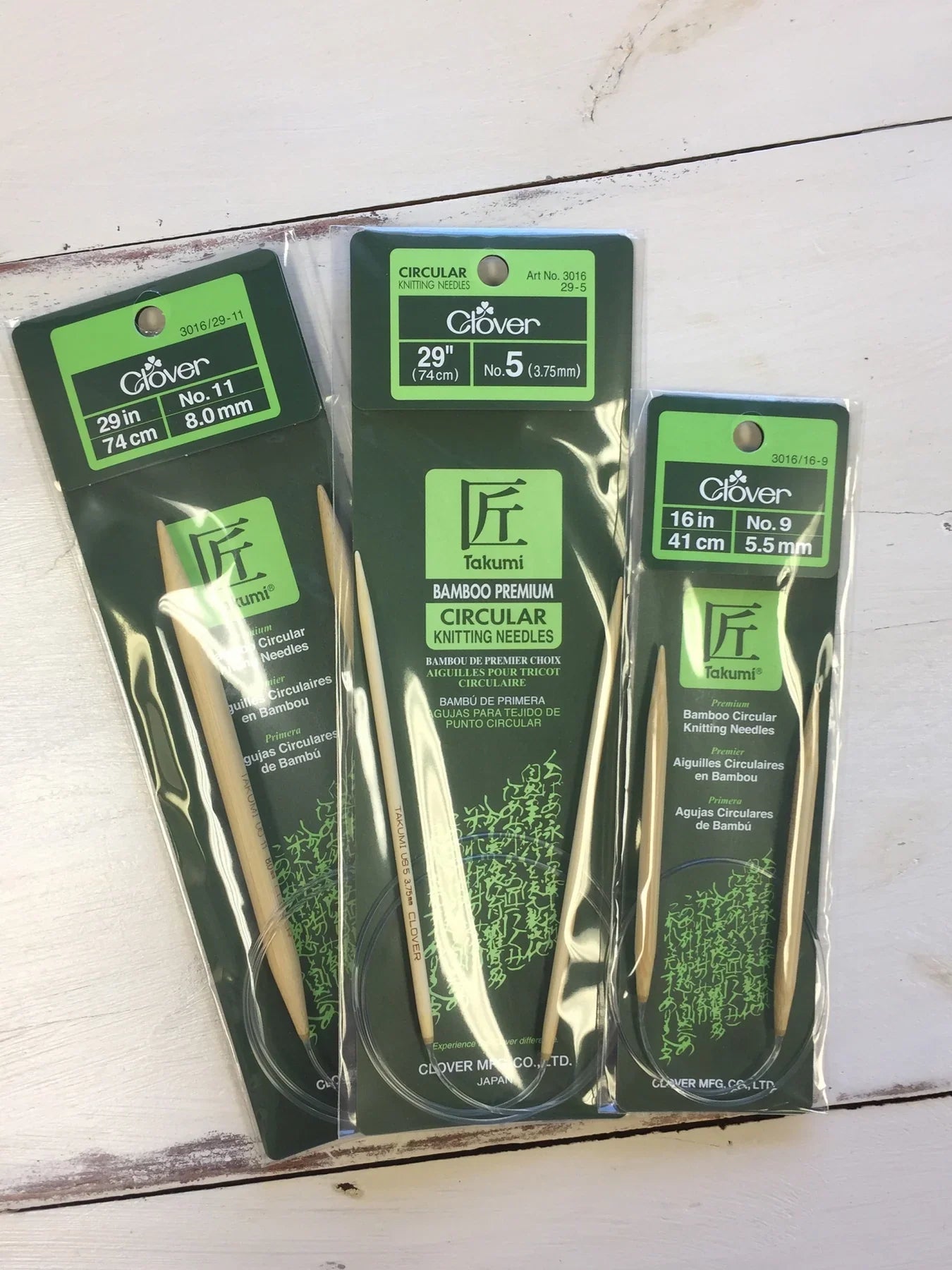
When you're learning to knit, choosing your needles can defintely feel a little overwhelming. Walk into a yarn shop and you'll find needles in all different sizes, lengths, shapes and materials. So how do you know which ones to choose?
The good news is you don't need a collection of every needle out there to get started. Once you understand the basics, finding the right needles for your project becomes much easier.
Straight, Circular, and Double Pointed Needles
There are three main types of knitting needles and each has its own purpose.
Straight Needles
Straight needles are probably what most people picture when they think of knitting. They're long, have a point at one end and a stopper at the other and are sold in pairs. They are great for knitting flat pieces like scarves and blankets made in squares or sections.
Circular Needles
Circular needles have two short needle tips connected by a flexible cable. Despite their name, they're not just for knitting in circles! You can use circular needles to knit both flat and in the round, making them the most versatile (and our favorite) option. Circular needles are especially helpful for larger projects like sweaters, shawls and blankets because the cable holds the weight of your stitches. They come in different lengths and interchangeable sets allow you to switch needle tips and cables depending on the project.
Double Pointed Needles
Double pointed needles, often called DPN's, have points at both ends and are typically sold in sets of four or five. They're designed for knitting smaller projects in the round, such as socks, mittens and the tops of hats. They can look a little intimidating at first but once you're comfortable with the basics of knitting they're great to have on hand.
Does Needle Material Matter?
Yes! The material your needles are made from can make a difference in how they feel and how easily your stitches move.
Wood and Bamboo Needles
Wood and bamboo needles have a slightly grippy surface that helps keep stitches from sliding off too easily and they also feel lighter than metal needles. We typically start everyone on our bamboo needles.
Metal Needles
Metal needles have a smooth surface that allows stitches to glide easily. If you're just starting out, they may feel a little too slippery, especially if you're working with a smooth yarn.
Knitting Needle Sizes
Knitting needles come in many different sizes and the size determines how large your stitches will be. You'll usually see needle sizes listed in both US sizes and in millimeters.
For example:
- US 6 = 4.0mm
- US 7 = 4.5mm
- US 8 = 5mm
- US 9 = 5.5mm
- US 10 = 6.0mm
Smaller needles generally create smaller, tighter stitches, while larger needles create bigger, looser stitches. Most yarn labels will have a recommended needle size listed. Just remember that the recommended needle size is a guideline. Your knitting tension and the pattern you're following can affect which size works best.
Ready to Get Started?
Choosing knitting needles doesn't have to be complicated. We've got everything you need here at jenniferknits.com. If you're still unsure, stop by our brick and mortar location in Los Angeles. Not local? No problem! Contact us at support@jenniferknits.com and we will get you set up with everything you need.
Happy Knitting!
Jennifer Knits

